Cystic Acne

From LoveToKnow Skincare

Cystic acne is painful and embarrassing. You can learn more about it here, including treatments to help clear up those deep pimples.

 self-conscious girl

Recognizing Cystic Acne

Acne is the most common skin problem in North America. Nearly every teenager will have pimples at some point, and an increasing number of adults suffer from acne, too. Ordinary forms of acne include small bumps called papules, pus-filled lumps often called whiteheads, and the dark-colored accumulations of oils and skin cells called blackheads.

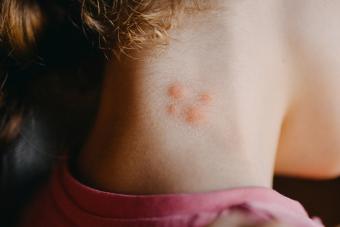
Cystic acne is different from ordinary pimples and much less common, although it may accompany the more familiar types of acne. Acne cysts are large, painful bumps that may occur singly or in large numbers.

They can be more than a centimeter in diameter, with multiple cysts sometimes combining to form larger ones. They are filled with whitish or yellowish pus. The pus consists of dead skin cells, white blood cells, and bacteria.

Causes

No one knows for sure what causes acne, including cystic acne. Doctors believe that hormonal changes during adolescence cause changes in oil-secreting glands in the skin. An increase in oils creates a welcoming environment for bacteria, which infect the skin and cause pimples to form. Hormone changes may also lead to acne during pregnancy.

Other contributors to acne include:

  • Oil-based cosmetics
  • Certain hair products
  • Some medications, including steroids and vitamins B-2, B-6, and B-12.

There is probably also a genetic component. Although keeping the skin clean can help reduce acne, overly vigorous scrubbing can cause inflammation and make acne worse.

There doesn't seem to be any clear reason why some people get cystic acne and others don't. It's probably a combination of heredity, the strength of the person's immune system, and other factors that aren't well-understood.

When to See the Doctor

Cystic acne is always a reason to see a doctor. Over-the-counter treatments are unlikely to make it go away. The deep cysts can lead to significant scars, and the large, reddened bumps can make a person very self-conscious.

If your pediatrician or family doctor has not been able to help, the next step is to see a dermatologist.

Treatment

The usual treatment for cystic acne is a combination of topical medicine and antibiotic pills. Topical treatments (lotions and ointments that are applied to the skin) will help with blackheads, papules, and whiteheads, but they can't penetrate into the cysts to kill the bacteria.Antibiotic taken by mouth help the body fight off the bacteria more effectively.

Hormonal therapy, such as birth control pills or a drug called spironolactone, can also help in some people. These drugs reduce levels of the hormones that contribute to acne.

Treatment can be frustrating at first, because it may take weeks or months for improvement to be visible. It's important to continue treatment through this early stage and to work with the doctor on when to try a different option.

Topical medicine choices include:

  • Benzoyl peroxide, which kills the acne bacteria.
  • Retinoids, which helps keep pores clear.

Options for antibiotic pills include:

  • Minocylcine
  • Doxycycline
  • Tetracycline
  • Erythromycin.

About Accutane

If other treatments have failed, the doctor may recommend Isotretinoin (brand name Accutane). Accutane causes long-term changes in the oil-producing glands, and in many people it can cure acne completely.

It's not always used as a first-line treatment, however, because it can cause very serious side effects, including severe birth defects. Girls and women who use this medicine must be extremely careful not to get pregnant.

Other possible side effects include skin dryness, sensitivity to sunlight, elevated triglycerides, liver damage, inflammation of the pancreas, and eye problems.

Treating the Scars

If not treated early, cystic acne can cause scars. Many people notice a darkened area of skin after a pimple heals. This is not strictly a scar and will usually be gone in about a year. However, cysts can lead to deep pits in the skin which can remain for a lifetime.

Treatment for these scars involves either methods that smooth out the skin or injections to fill in the pitted areas.

  • Dermabrasion and laser treatment remove the topmost layer of skin to help even out the scars. When the skin heals, scars may be gone entirely, or may appear shallower and less noticeable. These methods do not work well for deep scars.
  • Collagen or fat injections use natural substances to plump up the skin at the base of a scar. The collagen may come from cows or from donated human tissue. Fat can be taken from the person's own body. Both fat and collagen will be absorbed into the skin over time, and injections must be repeated every few months. Some newer products, made from synthetic materials, may last longer.


Comments

Dayvett, if you don't already have a skincare regimen specifically for combination, acne-prone skin, now is a great time to start! There are many products available for your type of skin. It's important to note that certain products are formulated to combat excess oil on your face, while others are designed to alleviate dryness, so you don't want to use both products on the same areas! The key is to target each product to the area that is affected by the particular concern (be it dryness, oiliness or acne).

Visit a cosmetic counter, such as Clinique or Prescriptives, or your local Sephora store, for a consultation. If you are interested in drugstore products, consider Clean & Clear skin care. The line is formulated to target acne and oil without drying the skin. Good luck!

-- Contributed by: Tsharma

I have acne, but it is not that bad. Pimples appears every time that i can't sleep well or when i am under stress. I would like some advices about caring my skin face from oil and dryness at the same time.

-- Contributed by: Dayvett

Comment on Cystic Acne


(Displayed with your comment)                        (Will not be displayed)
Verification Code:   
    

Skincare


E-Mail Updates

Sign up for a free LoveToKnow e-newsletter to get exclusive recipes, decorating tips and great information you need!

Receive offers from our partners.

Read our privacy policy.


PRINT THIS PAGE

EMAIL TO FRIEND


You are here: LoveToKnow » Health & Beauty » Skincare » Skin Conditions / Acne » Cystic Acne