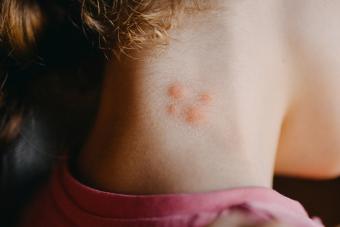
The dangers associated with sunburns are far more than cosmetic, and cumulative effects begin as early as childhood. Protect yourself now and avoid several health complications as well as premature aging.
Understanding Sunburn
Sunburn is a literal burn of the skin. However, a sunburn, as opposed to a thermal or contact burn, causes skin damage before significant redness appears. As sunbathers experience little to no pain during the initial stages of sunburn, many overexpose their skin without realizing the danger involved.
The actual cause of sunburn is overexposure to ultraviolet rays (UV), whereas lesser amounts of UV rays produce a suntan. Dermatologist Dr. David Leffell of the Yale School of Medicine explains that two types of rays are dangerous - ultraviolet-A (UVA) and ultraviolet-B (UVB) rays.
According to the Skin Cancer Foundation, UVA rays are long wave rays, while UVB rays are short. UVA rays are more common but less intense, while UVB rays are less common but more intense. Both can damage the skin, causing skin cancer and aging. Dr. Leffell explains, "UVB waves typically are cancer-causing and have less of an effect on aging of the skin than UVA rays."
Sunburn Hazards
Both short- and long-term sunburn dangers exist and range from mild to sometimes life-threatening.
Skin Cancer
Dr. Leffell warns that sunburn can increase the risk of developing skin cancer. He explains, "It has been suggested that a single blistering sunburn in childhood increases the chance of melanoma later in life.
A person who has had five or more sunburns in his or her life has doubled the risk for melanoma. While other types of skin cancers are brought about by cumulative sun exposure, melanoma occurs from brief intense exposures, such as blistering sunburns.
Premature Aging
Dr. Leffell also warns against the aging effects of sunburn, saying, "UVA waves from the sun penetrate beneath the epidermis into the dermis. There they destroy collagen and elastin tissue resulting in fine lines and wrinkles which are signs of premature aging."
UV rays break down the collagen and elastin in the skin. According to the Mayo Clinic, this results in sun damage that may include:
- Age spots
- Uneven pigmentation
- A darkening of the facial skin called melasma
- Sagging and deep wrinkles
According to Dr. Leffell, once damage from sunburn occurs it can't be reversed, although people may be able to minimize some of the effects. He asserts, "With respect to premature sun damage, Retin-A is still the only proven product that can reduce some of the fine lines and wrinkles."
Aggravation of Skin Conditions
Sunburn may aggravate or cause flare-ups of existing skin conditions including:
Other Effects
Sunburn may also cause other harmful effects.
- Dehydration may occur because sunburns raise body temperature.
- Second-degree burns may occur with attendant blistering and pain.
- The burn may be so severe it becomes infected, leading to a secondary infection.
- Shock (such as from massive fluid loss) may occur in rare cases.
- In extreme cases, death may occur.
- Additional studies show UV rays' connection to corneal burns, cataracts and macular degeneration.
Protecting Yourself
Dr. Leffell notes, "It is critical that parents of young children take special precautions to protect children against the harmful effects of the sun as the majority of sun exposure occurs in childhood. Because the genetic damage caused by the sun accumulates over time like compound interest, any protection that can be provided in childhood will pay off later."
Sunscreen Selection
He suggests careful selection of sunscreen, suggesting products that offer "a sun protection factor of 30 or higher and protection against UVA waves". He explains, "Sun protection factor refers to protection against UVB waves only. It is important to read the label to ensure that the product provides protection against UVA waves as well." Blue Lizard Australian Sunscreen is an example of a product with this level of protection.
Additional Tips
Dr. Leffell also recommends the following to prevent sun damage:
- Avoid the sun during the peak hours between 10 a.m. and 4 p.m.
- Wear a broad-brim hat
- Wear sun protective clothing
- Apply sunscreen regularly
- Wear sun protective eyeglasses to prevent cataracts
Tanning
Dr. Leffell cautions against tanning, as well. "A tan results when sun exposure stimulates pigment cells to produce pigment. This is actually the body's response to ultraviolet radiation injury," he explains. "So not only is a tan a sign of exposure to the sun, it is actually an indication of how the body protects itself against the sun's harmful influence."
After the Burn
A variety of home and over-the-counter remedies exist for temporary sunburn relief. Discuss more severe sunburns, such as those that blister and swell (edema), with your doctor.
Safe Fun in the Sun
By taking precautions against sun overexposure, you can enjoy time in the sun without worrying about future effects. Doing so will keep your skin healthy well into the future.