Mole Removal

From LoveToKnow Skincare

M Mole removal can be done for cosmetic reasons, to put an end to skin irritation, or to prevent or treat cancer.

Mole Removal

What are Moles?

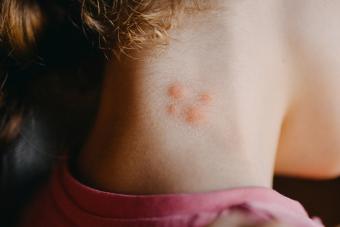
Moles are small growths of skin, either flat or raised. They are often darker than the surrounding skin tone. A mole may be present, unchanged, throughout a person's life, or new moles may develop over time. When a new mole appears on an adult's skin, or when a mole changes in size, shape, or color, it should be checked by a doctor. A new or changing mole is a possible sign of skin cancer.

When to Have a Mole Removed

Mole removal isn't usually necessary. A stable, unchanging mole can be left alone, although it should be checked periodically for changes. There are three main reasons why mole removal may be needed:

  • The mole makes the person self-conscious. A large mole on the face can be distressing. Multiple moles, or prominent ones elsewhere on the body, can make a person feel unattractive.
  • The mole is in a place where it's easily irritated. A man may have a facial mole that's constantly getting cut when he shaves, or a woman might have one that rubs beneath her bra strap.
  • The mole looks like it could be cancerous. Melanoma, a very serious type of skin cancer, can develop within a mole. Other types of skin cancer may also look like moles. Any new growth in an adult, any mole that has changed in appearance, or any irregular or multicolored mole should be evaluated by a doctor.

How Mole Removal Is Done

Mole removal is a surgical procedure. It's usually a minor surgery and can often be done in your primary care doctor's office, although some doctors will prefer to send you to a dermatologist or surgeon.

In many cases, the doctor will inject the mole and the skin around it with an anesthetic like lidocaine. Lidocaine burns when it's first injected, but the skin will quickly go numb. After a few minutes, the doctor will check to make sure that there is no feeling in the area. Then, he or she will use one of two procedures:

  • The doctor may use a scalpel to cut around the mole, making a sort of oval shape. The doctor will probably use tweezers to lift up the mole, and either the scalpel or scissors to cut it away at the bottom. Then, he or she will close the wound with a few stitches. The mole itself will usually be sent to a pathologist, just to make sure that it doesn't contain any cancer cells.
  • The doctor may use a scalpel to shave the mole off and then use either an electrical tool or a special solution to stop any bleeding. No stitches are needed with this procedure. The shavings may be sent for examination by a pathologist.

Which Method to Choose

Your doctor will help you decide which method is best for your situation. Either method may be appropriate, depending on the type of mole and the reason for excision. Both methods are likely to leave scars; scarring depends on skin type, the size of the mole, its location, and the skill of the doctor.

One advantage of the shaving method is that there are no stitches to remove, so a follow-up appointment may not be needed. Stitches require removal after about ten days, fewer if the incision is on the face.

There is one situation in which complete excision is absolutely necessary. If there is any concern for melanoma, the mole must be cut out and sent to a pathologist for examination. Knowing the depth of a melanoma is essential for planning treatment and predicting the likelihood of survival. The shaving method must never be done on a mole that could be melanoma.

After the Procedure

Your doctor will tell you exactly what to do after your mole removal. In general, you should keep the wound clean and dry. If it becomes increasingly painful, if the skin becomes reddened or unusually warm to the touch, or if you see pus coming from the wound, it may be infected and you should call your doctor for treatment.

Be sure to have any stitches removed on the date your doctor recommends. Leaving stitches in for too long can lead to scarring in a "train track" pattern where the stitches entered the skin.

For More Information

Check Medline Plus, from the National Institutes of Health, for more information about skin cancer.

The Mayo Clinic has a detailed article about mole removal procedures.


Comments

Olivia, thanks for your question. The general answer to this seems to vary from doctor to doctor. Many women do have moles removed when pregnant, but some doctors recommend waiting until after you've given birth. Moles can chance in size during pregnancy, and there's a chance a mole could recur during pregnancy, too.

If your doctor does decide to remove the mole, she may just locally numb the area before freezing it off. It's important to ascertain that the mole is not representative of a serious skin condition, so this will be one of your doctor's top priorities when you get checked out. If she determines it's not an urgent matter, you may be able to wait until after the birth.

Good luck!

-- Contributed by: Tsharma

I have a mole on my upper thigh that I want to remove because it has changed in size and color in recent weeks. My concern is that I may be pregnant since my husband and I have been trying to conceive this month.

Is it safe to remove a mole during pregnancy? If so, are there procedures that are more safe under these conditions? I have an appointment with my dermatologist in week and a half, so I am doing some homework now in order to have an intelligence conversation with her. Thank you for your input.

-- Contributed by: Olivia

Thanks for your question! Does your girlfriend have light skin? Occasionally the healing process may appear to take longer (the redness can persist, for example) in individuals with light skin. It typically can take up to eight weeks to really notice a difference, so give it some time. If you're concerned, you may want to check in with the dermatologist. You're doing the right things, though - Vaseline and a bandage are the recommended ingredients for healing. Good luck!

-- Contributed by: Tsharma
> See All Comments on this article    


Comment on Mole Removal


(Displayed with your comment)                        (Will not be displayed)
Verification Code:   
    

Skincare Categories
LoveToKnow Tools