Seborrheic Dermatitis
From LoveToKnow Skincare
Greasy, flaky skin may be a sign of seborrheic dermatitis. This skin disorder causes cradle cap in babies, dandruff in adults, and unsightly rashes on other parts of the body.
Recognizing Seborrheic Dermatitis
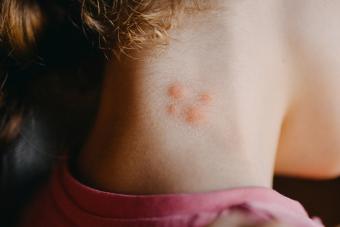
The rash of seborrheic dermatitis often appears on the scalp or other oily areas of the skin. The rash is scaly and greasy-looking, and the skin underneath may be red and inflamed. It is often itchy and may be painful. Seborrheic dermatitis commonly gets worse in winter and early spring, and gets better during the summer.
On the face and head, the rash may begin on the scalp, causing dandruff-like flakes. It may spread to the forehead, the eyebrows, the skin folds around the nose, the area behind the ears and, on a man, the beard line. It can also appear in these places independently. On the body, round or irregular patches of scaly skin may appear.
Who Gets It
Anyone can get this rash. It can occur in people of all races and backgrounds. The cause is not known. Doctors think there might be a connection with a certain fungus that lives on the body, but many people have this fungus and do not have any skin problems. It's also possible that the disorder is linked to hormones.
It's more common in babies less than three months old and in adults between 30 and 50 years old. It's estimated that 15-20 percent of people have at least mild dandruff, and 3-5 percent have a more severe form of seborrheic dermatitis. People with Parkinson's Disease and AIDS seem to be particularly at risk.
What to Do
Treatment usually consists of special shampoos and lotions. It's important to check with a doctor before starting any form of treatment, to make sure that the diagnosis is correct and that the treatment is appropriate. Other, more serious skin problems can look like seborrheic dermatitis. Occasionally this rash can signal the presence of a much more dangerous disease like HIV/AIDS.
Dandruff
Several different types of shampoos can help with dandruff. Most are available over the counter. Here are some useful ingredients, and some names of brands which contain them:
- Salicylic acid (Scalpicin)
- Tar (Neutrogena T-Gel, Polytar)
- Selenium sulfide (Selsun)
- Zinc (Head & Shoulders)
Many companies have started marketing dandruff shampoos that have benefits for the hair and the scalp. Pantene anti-dandruff shampoo and Garnier's Fructis 2-in-1 anti-dandruff shampoo and conditioner help strengthen the hair as well as treat the dandruff. Both of these products contain zinc as the active ingredient.
Taking time to wash your hair and scalp thoroughly may also help. Rub the shampoo into your hair gently but thoroughly and then let it sit for several minutes before rinsing.
If thick, scaly plaques have formed on the scalp, treating overnight with a tar solution or bath oil may help.
Facial Rash
If the rash affects the eyelids, gentle cleaning with baby shampoo and a cotton swab may help to loosen and remove flakes and plaques. Dandruff shampoos may be used on the face (but not around the eyes), but in some people they are irritating to facial skin. Antifungal creams and a lotion containing sodium sulfacetamide are other options which your doctor may suggest. Steroids may help, but should not be used long-term because they can damage the skin.
Body Rash
To keep the disorder under control, it's important to bathe regularly, using soap and water. Skipping your shower or bath will allow the plaque and flakes to worsen.
Dandruff shampoo can be used to treat patches of seborrheic dermatitis on the body. Your doctor may also prescribe antifungal creams or benzoyl peroxide washes. Some doctors recommend steroid creams to help calm the inflammation. Again, steroids should be used only short-term.
Cradle Cap
When a baby develops a scaly, greasy-looking scalp rash, it's often cradle cap. The name reflects the fact that babies usually get this rash when they're less than three months old. Cradle cap doesn't reflect poor care on the part of the baby's parents, and it's not infectious. It generally goes away on its own.
To treat the infant skin problem of cradle cap and make the baby's scalp look nicer, doctors usually recommend gentle cleaning with a mild baby shampoo. Using a soft brush, gently brush the shampoo over the scalp to loosen the flakes. Be careful not to break the skin: scrubbing too hard may be painful for the baby, and the skin could get infected. Check with your doctor before trying any treatment, and especially before using medicated products.
Learn More
Comments
Brivz, that's so true! Animal allergies are unfortunate and not uncommon either. It's best to steer clear if your skin suffers while being around them.
-- Contributed by: TsharmaI have atopic dermatitis and I am allergic to animals, I start to itch bad when around them or in a house that allows pets, if shedding is bad (such as cats) I even start to wheeze and can't breathe. If you think doggie is a problem, time to make inside dog an outside dog imo
-- Contributed by: BriVzHi Ian, thanks for your question. It's certainly possible to acquire a skin condition from a household pet, especially if your baby and dog are in close proximity to one another on occasion. Dermatitis is typically not contagious, however if you suspect there's a connection you may want to visit your child's doctor for medical advice.
-- Contributed by: Tsharma
This page has been accessed 5,808 times. This page was last modified 05:09, 15 August 2006.
© 2006-2009 LoveToKnow Corp.
Visit us on facebook